Exploring Mugwort: What You Need to Know About This Mysterious Herb

Mugwort is a plant that has intrigued people for centuries. Known for its unique aroma and various traditional uses, it remains a subject of interest for herbalists, gardeners, and those curious about natural remedies. This blog post explores what mugwort is, its history, uses, and safety considerations to help you understand this fascinating herb better.
What Is Mugwort?
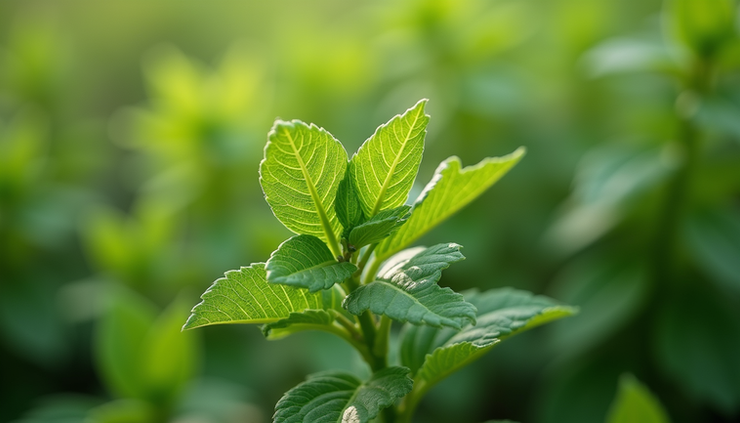
Mugwort, scientifically known as Artemisia vulgaris, is a perennial herb native to Europe, Asia, and North America. It belongs to the daisy family and grows wild in many regions. The plant features deeply lobed leaves with a silvery underside and small, clustered flowers that bloom in late summer.
People have used mugwort for various purposes throughout history. It is often found near roadsides, fields, and gardens, where it can grow up to 1.5 meters tall. Mugwort has a bitter taste and a strong, aromatic scent, which makes it stand out among other herbs.
Historical and Cultural Significance
Mugwort has a rich history in folklore and traditional medicine. Ancient cultures valued it for its protective and healing properties. For example:
In Europe, mugwort was believed to ward off evil spirits and protect travelers on long journeys.
In traditional Chinese medicine, mugwort leaves are used in moxibustion, a therapy that involves burning the herb near the skin to stimulate healing.
Native American tribes used mugwort in ceremonies and as a remedy for digestive issues.
These examples show how mugwort’s role extends beyond simple herbal use, touching on spiritual and cultural practices worldwide.
Common Uses of Mugwort
Mugwort serves many purposes today, from culinary to medicinal and even practical household uses.
Culinary Uses
Mugwort is sometimes used as a flavoring herb in cooking. Its slightly bitter and aromatic taste pairs well with fatty meats and fish. In some Asian cuisines, mugwort is added to rice cakes and soups for its unique flavor and digestive benefits.
Herbal Medicine
People use mugwort in herbal remedies to support digestion, relieve menstrual discomfort, and promote relaxation. It is available in various forms, including teas, tinctures, and essential oils. Research suggests mugwort contains compounds that may have mild anti-inflammatory and antimicrobial effects, but more studies are needed to confirm these benefits.
Aromatherapy and Relaxation
The scent of mugwort is calming for many. Some use dried mugwort in sachets or pillows to encourage restful sleep and vivid dreams. This practice has roots in folk traditions and remains popular among those interested in natural wellness.
Pest Control
Mugwort’s strong aroma can repel certain insects. Gardeners sometimes plant it near vegetables to protect crops from pests without using chemicals.
Growing and Harvesting Mugwort
Mugwort is easy to grow and maintain, making it a favorite for home gardeners. It thrives in well-drained soil and full sun but can tolerate partial shade. The plant spreads quickly, so it’s best to grow it in a controlled space to prevent it from overtaking other plants.
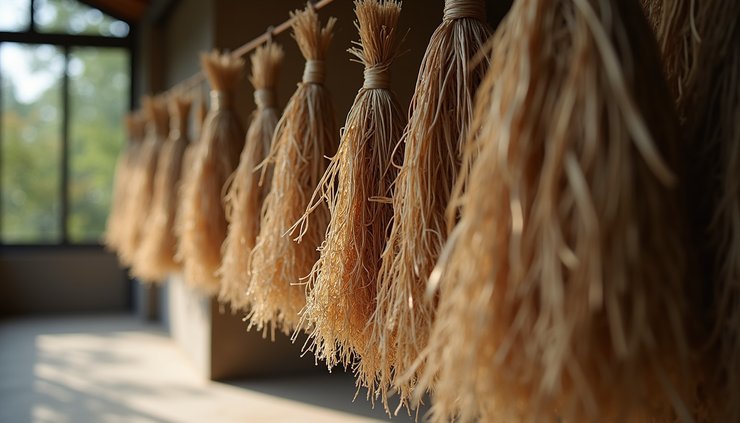
Harvest leaves and stems in mid to late summer when the plant is at its peak. Dry the harvested parts in a cool, airy place away from direct sunlight to preserve their aroma and medicinal properties.
Safety and Precautions
While mugwort offers many benefits, it also requires caution. Some people may experience allergic reactions, especially those sensitive to plants in the daisy family. Mugwort can also cause skin irritation if handled excessively.
Pregnant or breastfeeding individuals should avoid mugwort, as it may stimulate uterine contractions. Always consult a healthcare provider before using mugwort for medicinal purposes, especially if you have existing health conditions or take medications.
Final Thoughts on Mugwort
Mugwort is a versatile herb with a long history and many uses. Whether you want to explore its culinary potential, try herbal remedies, or grow it in your garden, mugwort offers something unique. Remember to use it responsibly and be aware of any personal sensitivities.
If you are curious about natural herbs, mugwort is worth discovering. Start with small amounts, observe how your body reacts, and enjoy the connection to a plant that has fascinated people for generations. Exploring mugwort can open doors to new traditions and natural wellness practices.


Comments